
| Feature | Nylons Value | Nylon Value |
|---|---|---|
| Density | 0.94 to 0.97 g/cm³ | 1.14 g/cm³ |
| Melting Point | 130 to 135°C | 250 to 260°C |
| Vicat Softening Temperature | Around 75°C | Around 220°C |
| Brittleness Temperature | Less than -80°C | - |
| Tensile Strength in Longitudinal Direction | 20 to 40 MPa | - |
| Tensile Strength in Transverse Direction | 15 to 30 MPa | - |
| Ultimate Tensile Strength | - | 50 to 90 MPa |
| Elongation at Break | 200 to 600% | 5 to 120% |
| Tear Resistance (Elmendorf Test) | Around 200 mN | - |
| Tensile Modulus | 800 to 1200 MPa | 2000 to 3000 MPa |
| Water Vapor Permeability | 0.4 to 0.6 g/m² in 24 hours | - |
| Water Absorption in Saturated State | - | 2.2 to 7% |
| Hardness (Rockwell R) | - | 110 to 120 units |
| Continuous Operating Temperature | - | 80 to 120°C |
| Bending Strength | - | Around 100 MPa |
In the polymer products market, nylon and nylons are among the most widely used plastic materials, each with different characteristics and applications in various industries.
From the polyamide family and one of the most widely used engineering polymers. Types of nylon include nylon 6, nylon 6/6, nylon 11, nylon 12, and recycled nylon. This material is used in the production of industrial packaging films, threads and textile fibers, automotive engineering parts, and cable coatings due to its high tensile strength and abrasion resistance, and is widely used in the textile, automotive, electronics, and packaging industries.
Nylons is produced from high-density polyethylene (HDPE) and is drier and more brittle than nylon. Types of nylons include transparent nylons, colored nylons, freezer nylons, handle nylons, rack nylons, and trash nylons. This material is used to produce shopping bags, disposable tablecloths, industrial covers, and food packaging, and has extensive applications in the packaging, agricultural, health, and chain store industries.
In the following, we will explain the industrial and household applications of nylon separately so that you are more aware of the industrial and household uses of these products.
Production of gears, bushings, and mechanical parts in machinery
Use in cable coatings and electrical insulators
Production of internal automotive parts due to high thermal resistance
Manufacturing of industrial and resistant packaging films
Application in the textile industry for producing industrial and engineering fibers
Production of clothing thread, socks, and durable fabrics
Use in camping tents, bags, and lightweight ropes
Packaging of food and clothing
Production of nets and resistant curtains
Use in decorative products and household items
In the following, we will introduce the industrial and household applications of nylons, which include the following:
Packaging of agricultural, food, and pharmaceutical products
Production of industrial films and device covers
Manufacturing of special bags for export and transportation of chemical materials
Use in covering greenhouses and agricultural products
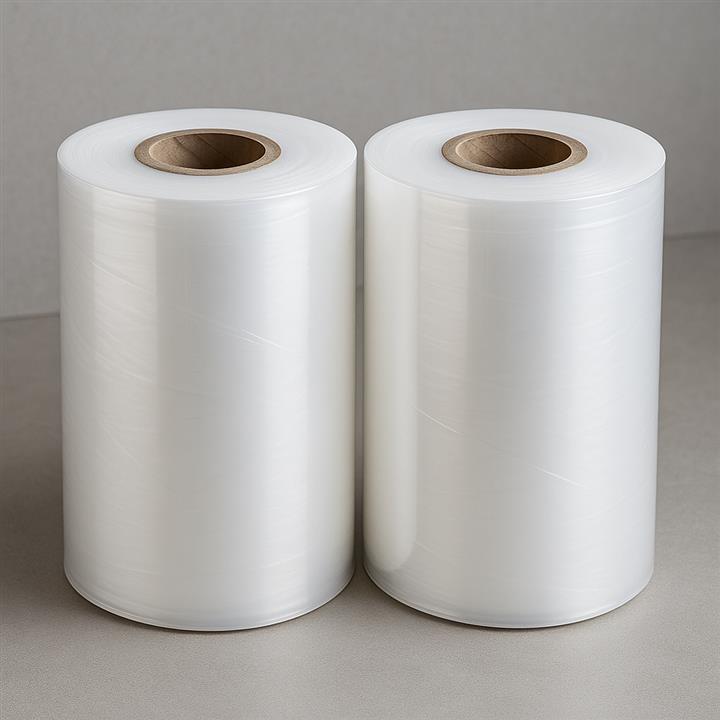
Production of packaging rolls for production lines
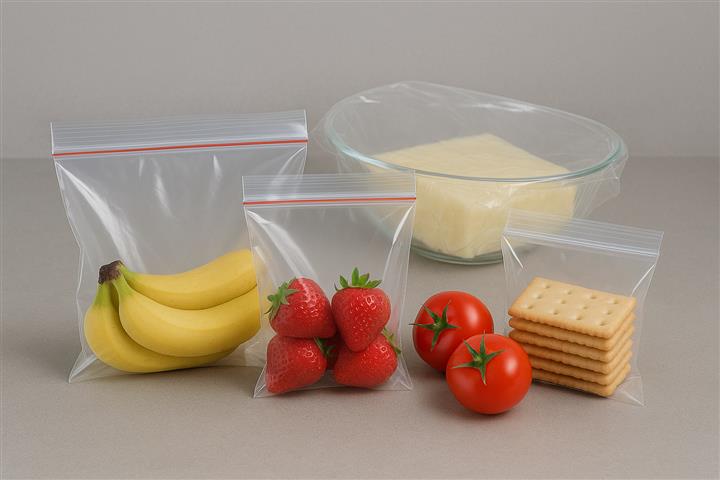
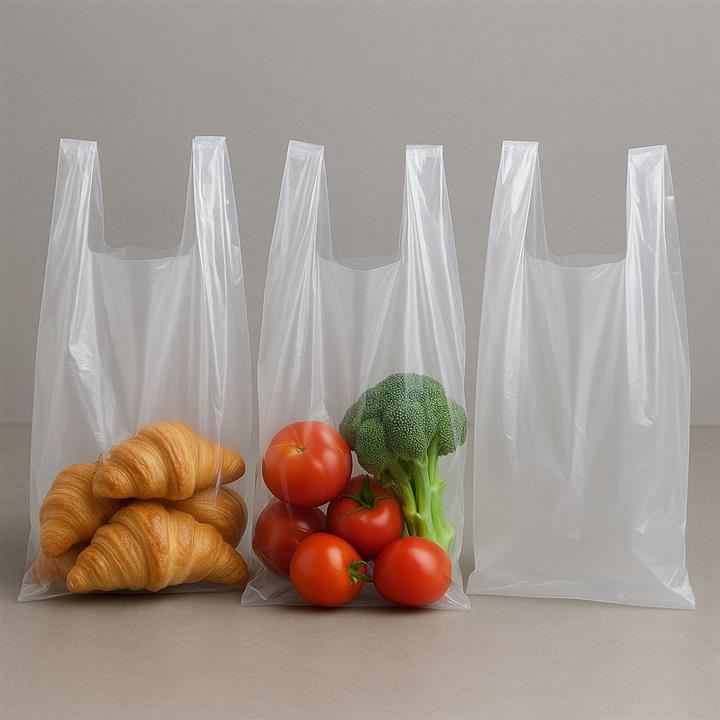
Production of freezer bags, trash bags, and handle shopping bags
Manufacturing of tablecloths and disposable covers
Daily packaging of food and bread
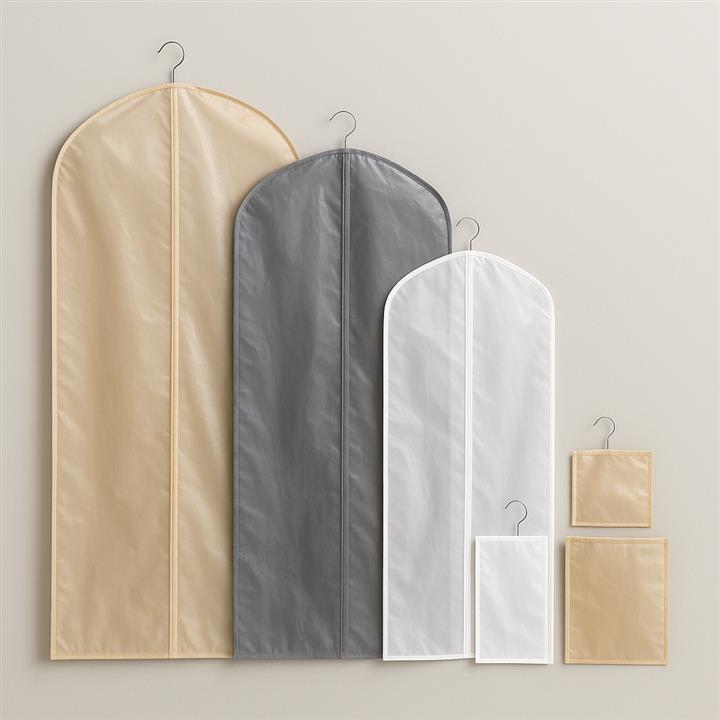
Clothing covers and protection of household items
Production of small bags for storing various materials at home
For most daily applications and lightweight packaging, nylons is a better choice; but in resistant and specialized packaging, nylon has superior performance. If you intend to package food products, frozen materials, bread, or store items, nylons is an ideal option due to its light weight, high resistance to moisture, and reasonable price. For example, most supermarket shopping bags or disposable tablecloths are made of nylons because they are resistant to tearing and have low production costs.
In contrast, if you have a product that needs to be resistant to heat, stretching, or pressure, nylon is a smarter choice. For example, packaging of industrial parts, hot products, or cooked foods is usually done with nylon, as this material maintains strength while having a transparent and glossy appearance and prevents air infiltration. Therefore, in a nutshell, nylons is more suitable for economical and general packaging, and nylon has superiority for resistant, transparent, and more professional packaging.
Very high resistance to stretching, abrasion, and tearing
High heat tolerance and suitable for packaging hot products
Transparent and glossy appearance that maintains the visual appeal of the product
High flexibility and precise moldability
Good resistance to oils and chemicals
Long lifespan and high durability in various environmental conditions
Suitable for packaging high-quality industrial and food products
Light weight and lower production cost compared to nylon
Excellent resistance to moisture and chemicals
High tear resistance despite thin thickness
Good flexibility at low temperatures (special for freezer packaging)
Printability and production in various colors and designs
Recyclable with lower energy consumption in the production process
An economical option for daily and consumable packaging
Please enter your information so we can contact you as soon as possible




نظرات