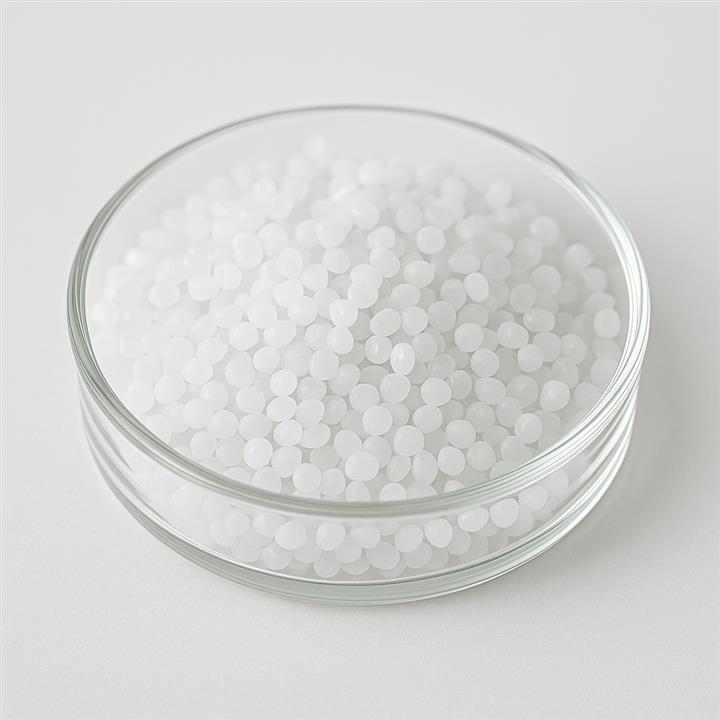
Polyethylene

Types of Polyethylene
Low-Density Polyethylene
High-Density Polyethylene
Linear Low-Density Polyethylene
Ultra-High Molecular Weight Polyethylene

Key Features

Density 0.905 - 0.908 g/cm³
Melting Point 160 - 165°C
Heat Deflection Temperature 95 - 105°C
Melt Flow Index 2 - 20 g/10 min
Tensile Strength at Yield 30 - 35 MPa
Flexural Modulus 1300 - 1700 MPa
Izod Impact Strength 25 - 35 J/m
Hardness (Shore D Scale) 65 - 70 Shore
Water Absorption in 24 hours ≤ 0.01 %
Continuous Operating Temperature Range –50 - +90°C
Chemical Resistance Excellent
Customer Service
Our experts are ready to answer your questions about this product. For more information, expert advice and after-sales support, please contact us.
Price Inquiry
To inquire about the price of this product, simply click the button below. Our experts will contact you as soon as possible to announce the updated price.
Questions & Answers
View
Frequently asked questions about this product

Standards

ISO 1872-1 (Determination of PE names and technical indicators in molding and extrusion)
ISO 17855-1 (Mother standard for classifying grades and determining PE characteristics)
ISO 1133-1 (Measurement of Melt Flow Index (MFI))
ISO 527-2 (Measurement of tensile strength and modulus)
ISO 4427-1 (Measurement of technical requirements for polyethylene pipes)
ASTM D256-23 (Measurement of Izod impact resistance at room temperature)
ASTM D792-20 (Measurement of PE density)
ASTM D1525-21 (Measurement of PE softening temperature)
ISIRI 14427-1 (Determination of technical specifications, dimensions and quality requirements for water transmission)
ISIRI 7174 (Measurement of characteristics and test methods)
ISIRI 7607 (Test method for melt flow index of polyethylene and polypropylene)
ISIRI 6626 (Measurement of tension, fracture and elongation)
ISIRI 1331 (Examination of PP grades for food contact)

Main Applications

Frequently Asked Questions

Which is better, low-density or high-density polyethylene?

Answer: It depends on the application! Low-density polyethylene is soft and flexible (great for packaging and plastic bags), while high-density polyethylene is harder and more resistant (used for pipes and bottles).

Is polyethylene safe for food packaging?

Answer: Yes! Polyethylene is completely non-toxic and odorless and is used for containers, packaging films and food lids.

Is polyethylene recyclable?

Answer: Yes! Almost all types of polyethylene can be melted and recycled and reused in the production of new products.

Is polyethylene resistant to sunlight?

Answer: Not in its natural form, but with UV-resistant additives, it can be made resistant for outdoor use (like irrigation pipes or tanks).

Can polyethylene be colored?

Answer: Yes, but it requires special colorants and appropriate temperature, because its surface has low adhesion and color does not adhere easily to it.

Can polyethylene be welded or joined?

Answer: Yes, polyethylene can be easily joined by heat welding or fusion; especially in HDPE pipe lines.

Is polyethylene resistant to cold?

Yes, unlike many plastics, it does not become brittle at sub-zero temperatures and maintains its flexibility.

Polyethylene Information

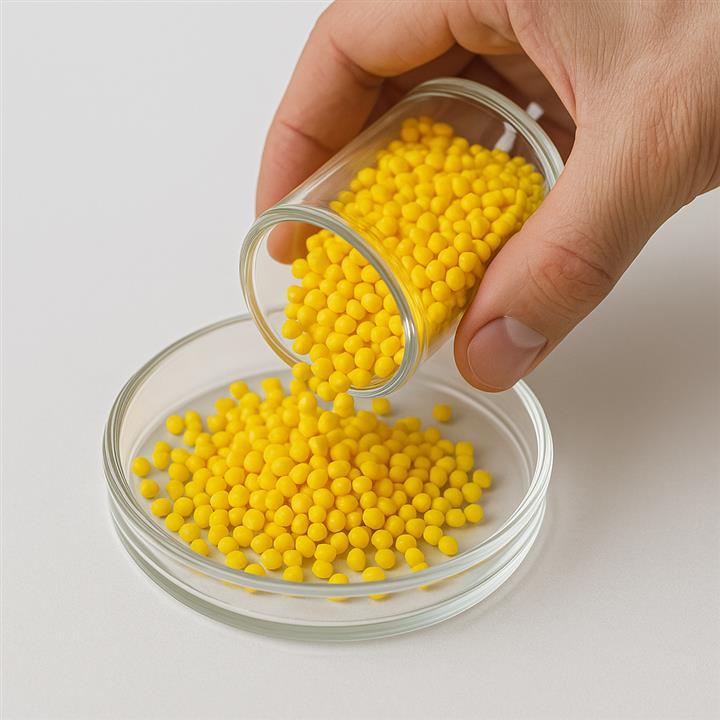
Polyethylene (PE) is one of the most widely used plastic polymers in the world, produced by the polymerization of ethylene gas. This material is known for its low density, light weight, high flexibility and excellent impact resistance. Polyethylene is also a thermal and electrical insulator, is resistant to moisture and acids, is non-toxic from a health perspective and is recyclable. Its melting point is usually between 110 to 135 degrees Celsius.

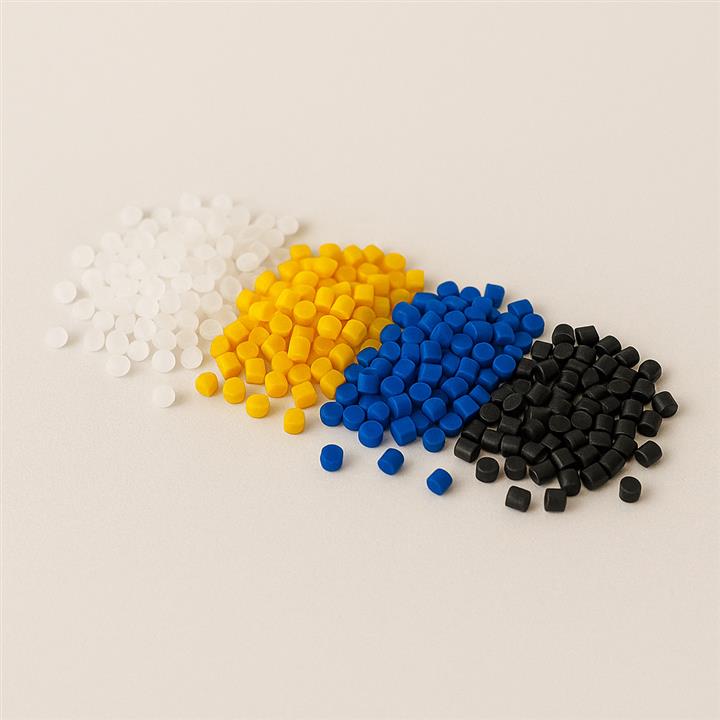
Polyethylene is produced in several main types: Low-Density Polyethylene (LDPE), High-Density Polyethylene (HDPE), Linear Low-Density Polyethylene (LLDPE) and Ultra-High Molecular Weight Polyethylene (UHMWPE). Each of these types has different properties and is selected according to specific applications.

Introduction to Types of Polyethylene and Their Applications!

1. Low-Density Polyethylene (LDPE)

Low-density polyethylene with a branched structure and flexibility is a soft and transparent material. It is used in the production of plastic bags, freezer bags, wire coating and food packaging, and is considered an economical option due to its light weight and moisture resistance.

2. High-Density Polyethylene (HDPE)

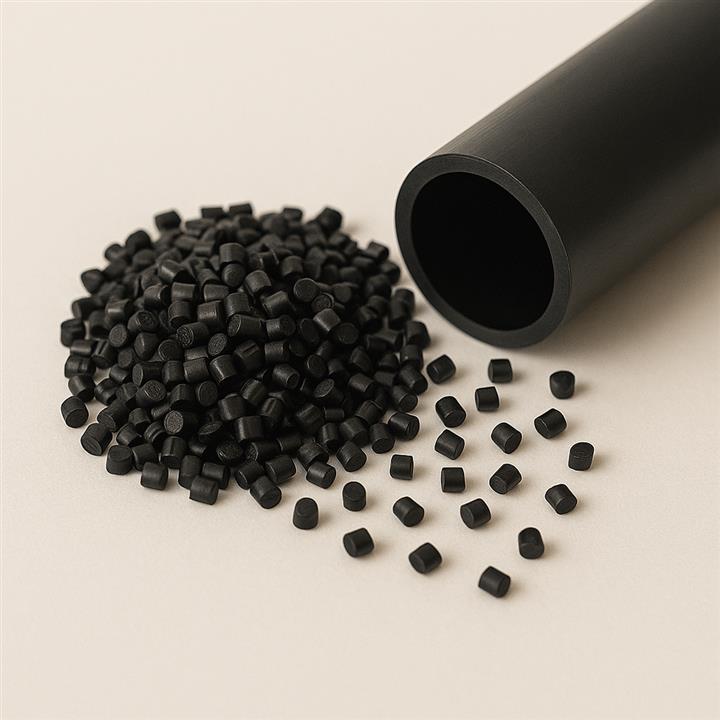
This model has a regular and dense structure and is very hard and durable. It is used in water and gas pipes, bottles, tanks and industrial parts and has high thermal and mechanical resistance.

3. Linear Low-Density Polyethylene (LLDPE)

This is a polyethylene with a combination of LDPE flexibility and HDPE strength. It is used for industrial packaging films, resistant cellophanes and heavy bags and is very resistant to tearing and puncturing.

4. Ultra-High Molecular Weight Polyethylene (UHMWPE)

This type of polyethylene has very long chains and high molecular weight and as a result has extraordinary resistance to wear, impact and friction. UHMWPE has wide applications in medical industries (artificial joints), military (bulletproof vests), and mechanical (gears, conveyor belts).

Advantages of Using Polyethylene

Polyethylene, due to its unique combination of lightness, durability and chemical resistance, is one of the most widely used polymers in various industries. Among the advantages of this product are the following.

  • Light weight and low density, suitable for easy transportation and production
  • High flexibility and good impact resistance
  • Excellent resistance to moisture, acids and chemicals
  • Very good thermal and electrical insulation
  • Non-toxic, safe for food and pharmaceutical packaging
  • Affordable price and high economic efficiency in mass production
  • Recyclability and environmental compatibility
  • Suitable thermal stability at normal industrial temperatures
  • Resistance to stress cracking (especially in HDPE)

Disadvantages of Using Polyethylene

Despite all the advantages, polyethylene, like any other polymeric material, has limitations that should be considered when selecting the type and application. Awareness of these weaknesses helps in more precise selection in design and formulation.

  • Weak resistance to high temperatures (softening above 100°C)
  • Sensitivity to direct sunlight (degradation by UV light without additives)
  • Lower hardness and strength compared to some polymers like polycarbonate
  • High coefficient of thermal expansion which can be problematic in precise parts

Most Important Applications of Polyethylene in Industry

Polyethylene or (PE) is used in most industries in the world due to its light weight, high resistance and affordable price. This material is produced in various forms such as films, pipes and plastic parts and has wide applications.

1. Packaging Industry

Low-density and linear polyethylene are used to make plastic bags, cellophane, freezer bags and food packaging. It is light, transparent and resistant to moisture and increases product shelf life.

2. Pipe and Facilities Industry

High-density polyethylene (HDPE) is used in the construction of water, gas and sewage pipes. These pipes are rust-proof, durable and suitable for civil engineering projects.

3. Automotive Industry

Polyethylene is used to produce fuel tanks, bumpers and interior car parts. This material is light, impact-resistant and resistant to chemicals.

4. Medical and Pharmaceutical Industry

Due to its non-toxicity, polyethylene is used in the production of medicine bottles, syringes and medical equipment. UHMWPE type is also used in artificial joints.

5. Construction Industry

It is used in construction for moisture insulation, cable covering, and water tanks. It is light and resistant to decay.

6. Electronics and Cable Industry

Polyethylene is a strong electrical insulator and is used in electrical and fiber optic cables. It prevents moisture and unwanted current flow.

7. Agricultural Industry

In agriculture, it is used for irrigation pipes, greenhouse coverings and plastic mulch. It helps maintain soil moisture and reduce water consumption.

Polyethylene (PE) Processing

Polyethylene (PE) is one of the easiest polymers for shaping and production for various industries. This material melts easily with a low melting point (about 110 to 135 degrees Celsius) and takes shape in different molds. Polyethylene has a controllable concentration and its melt flow can be changed by adjusting temperature and pressure.

It also has suitable thermal stability and does not change color in industrial processes and easily separates from the mold due to its low adhesion. It can be combined with additives such as color, antioxidants, UV-protectants and mineral fillers, which improves the performance and durability of the final product.

For this reason, polyethylene is widely used in methods such as extrusion, injection molding, blow molding, and rotational molding for the production of pipes, bottles, packaging films and industrial parts.

Price Currency Type: US Dollar

Please enter your information so we can contact you as soon as possible

Sending request...
 
Your price inquiry has been successfully sent!
Please complete all required fields
 

Your request has been received

Shahbal Land, specialist in imports and exports, will soon provide a precise and professional response. With us, your trade knows no borders.

نظرات

دیدگاه خود را با ما در میان بگذارید