
| Type of Polymer Waste | Composition Material | Melting Point (°C) | Desired Appearance | Suitable Color | Application After Recycling |
|---|---|---|---|---|---|
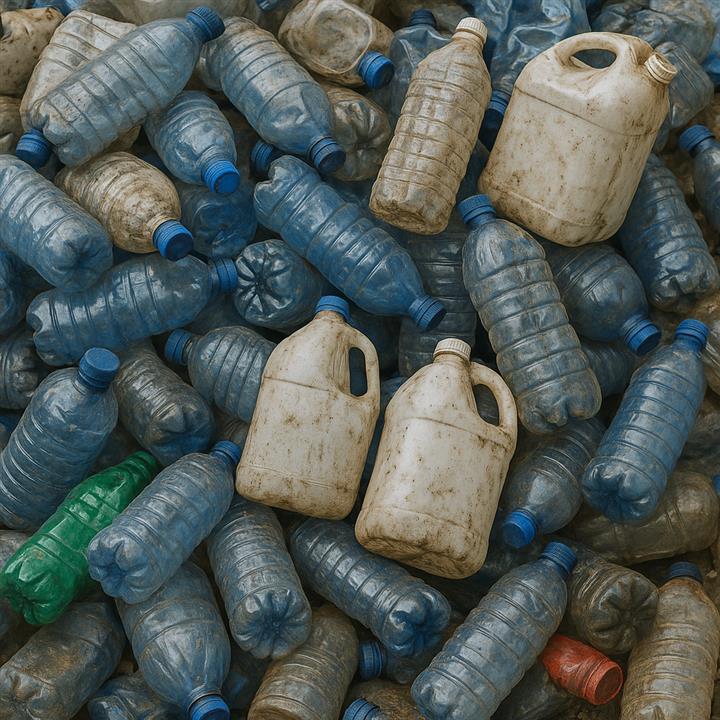
| Solid Wastes | Polyethylene (PE), Polypropylene (PP), PVC | 120 - 180 | Clean, dry, without metal and breakage | Uniform, without burning or darkening | Plastic injection, production of industrial parts and granulation |
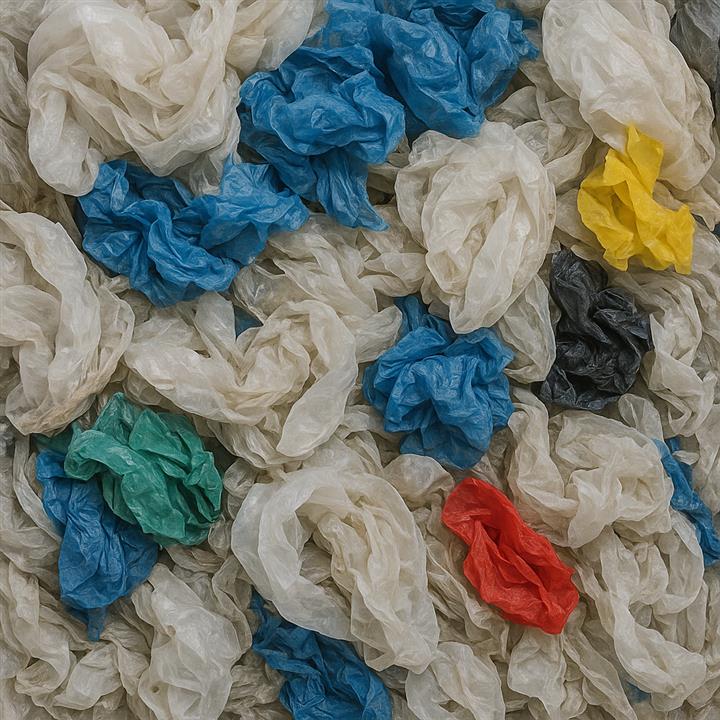
| Film Wastes (Soft) | Polyethylene (PE), Polypropylene (PP) | 110 - 130 | Soft, clean, without grease and moisture | Transparent or semi-transparent, without printing | Production of bags, tablecloths, greenhouse covers and packaging |
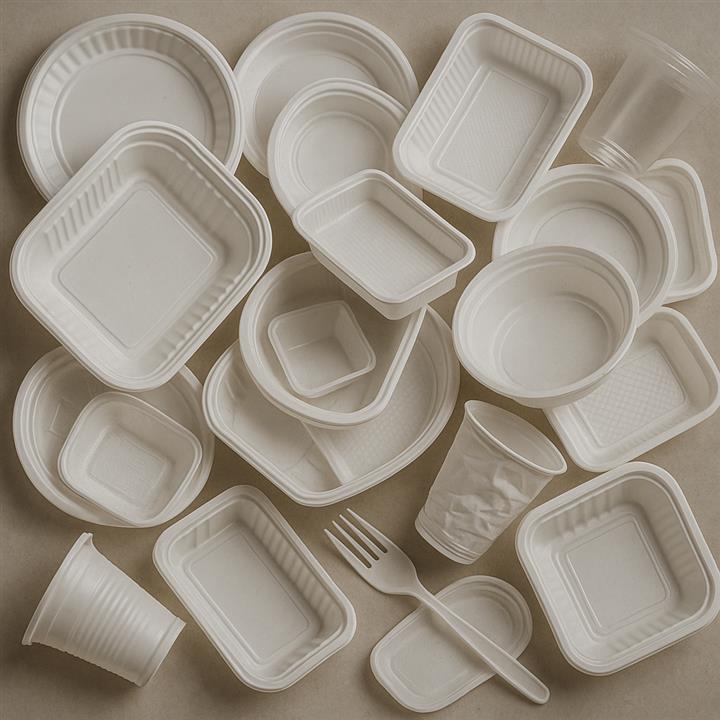
| Foam Wastes | Polystyrene (EPS) or Polyethylene Foam (XPE/XPS) | 80 - 100 | Dry, light, without glue or dust | White or cream uniform | Thermal insulation, fillers, lightweight packaging |
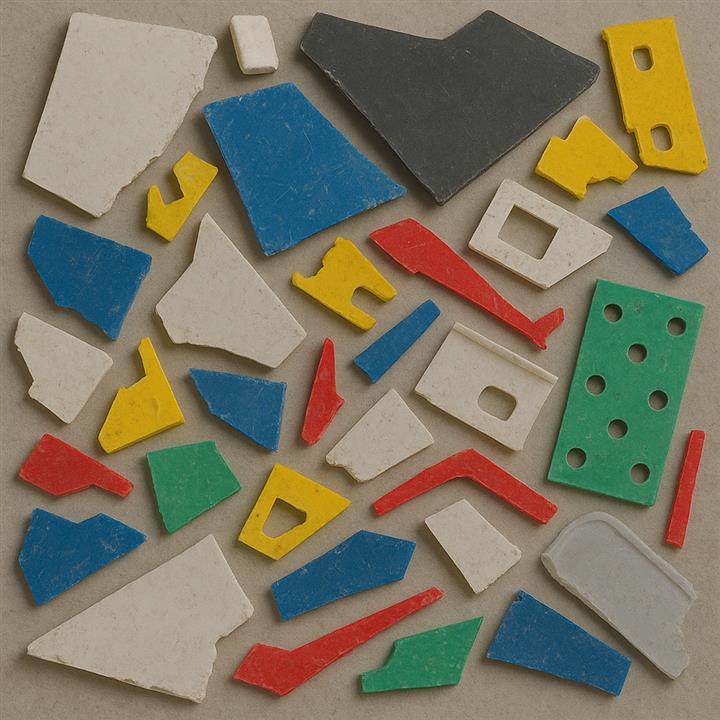
| Powder or Granular Wastes | Powder or granule of factory-shredded polymers (PP, PE, etc.) | 100 - 180 | Uniform, dry, without burnt materials | Constant and uniform color | Production of recycled granules, plastic injection and extrusion |
Types of polymer wastes based on shape, origin and material include various categories of consumer and industrial plastics, each with its own characteristics, applications and recycling methods. The different types of polymer wastes are explained below.
This model includes hard and thick parts like bottles, pipes, containers and broken plastic items. They are usually made of polyethylene or polypropylene and are very suitable for mechanical recycling due to their high strength. Their appearance is clean, dry and without severe breakage.
Refers to soft and flexible plastics like shopping bags, packaging films and greenhouse covers. These materials are easily malleable, lightweight and their surface may be contaminated or sticky. Recycling of these wastes is mostly for producing soft granules, new covers or plastic tablecloths.
Composed of lightweight foams like expanded polystyrene (EPS) or expanded polyethylene foam (XPE/XPS). These materials are seen in packaging, building insulation and food foam containers. Due to their large volume and low density, they are difficult to transport but can be recycled with compression and remelting.
These include powders, granules and pellets from shredded or ground industrial plastics. These materials are clean, uniform and ready for remelting. They are used to produce recycled granules, injection molded parts or extruded products.
Using polymer wastes after recycling is an effective method to reduce production costs and protect the environment, with a special place in various industries. The following are the main advantages of using polymer wastes:
Reduced consumption of petrochemical raw materials and conservation of natural resources
Reduced production costs in various industries like packaging, automotive and construction
Preventing accumulation of plastic waste in the environment and reducing soil and water pollution
Enabling reuse of polymers while preserving most of their mechanical properties
Contributing to the development of circular economy and job creation in the recycling sector
Reducing greenhouse gas emissions by replacing virgin materials with recycled materials
Although recycling and using polymer wastes has many benefits, this process is not without challenges and limitations and can sometimes affect the quality and cost of production. The disadvantages include:
Reduced quality and mechanical properties of polymers after multiple melting and recycling
Need for precise separation of different polymer types to prevent material contamination
High cost of collection, washing and preparation of contaminated materials
Difficulty in recycling multi-layer or composite polymers that are difficult to separate
Lack of proper infrastructure and complete standards in many countries for managing polymer wastes
Industrial applications of recycled polymer wastes show that these materials can be an economical and sustainable alternative to virgin raw materials in various industries and help reduce costs and pollution.
In this industry, film (soft) and granular polyethylene (PE) are most commonly used. Due to their softness, flexibility and remelting capability, these wastes are very suitable for producing nylon, tablecloths, shopping bags and protective packaging. Recycling these materials reduces production costs and reduces consumption of virgin petrochemical materials.
In this field, solid and foam wastes are mostly used. Recycled foams are widely used in wall insulation, flooring, pipes and plastic profiles due to their thermal and sound insulation properties. Solid PVC and PP wastes are also used in pipes, fittings and plastic profiles, helping to save on raw material costs.
In automotive, solid and granular polypropylene (PP) is used for interior parts like dashboards, bumpers and interior covers. After recycling, these materials maintain good mechanical strength while reducing vehicle weight.
In this industry, solid and powder ABS and polystyrene (PS) have many applications. They are used for electrical appliance casings, TV frames, plastic tableware and refrigerator interiors. After remelting, these materials have a glossy appearance and high resistance, making them an economical alternative.
In agriculture, film and polyethylene wastes are widely used in greenhouse films, plastic mulch and irrigation pipes. These materials are lightweight, flexible and moisture resistant, preventing the consumption of new petrochemical resources.
The economic benefits of using polymer wastes in recent years have become one of the important topics in manufacturing and environmental industries. Using recycled materials instead of virgin raw materials significantly reduces production costs and reduces energy consumption by up to 80%.
This allows manufacturers to offer more competitive and economical products. On the other hand, the process of collection, separation and recycling of polymer wastes creates many job opportunities and contributes to the growth of small and medium-sized industries.
In conclusion, polymer wastes are not just an environmental threat, but with proper management, they can be a profitable and sustainable resource for various industries.
Please enter your information so we can contact you as soon as possible




نظرات