
Styrene is a chemical compound from the aromatic hydrocarbon family, produced from crude oil, benzene and ethylene. This material is initially a colorless and transparent liquid with a distinctive odor and serves as the basis for producing many plastics and industrial rubbers. In the production process, ethylene gas and benzene react in the presence of a catalyst to form ethylbenzene. Then, through a "dehydrogenation" reaction, ethylbenzene is converted to pure styrene.
This material is resistant to moisture and electricity but has moderate heat resistance. Styrene is used to make insulation foams (polystyrene), disposable containers, automotive parts and household appliances. Types of styrenes include polystyrene (PS), ABS, styrene butadiene rubber (SBR) and styrene acrylonitrile (SAN).
Styrenes, like other polymers, come in various types, each with specific structures and properties used in different applications. Below are the most important types of styrenes and their characteristics:
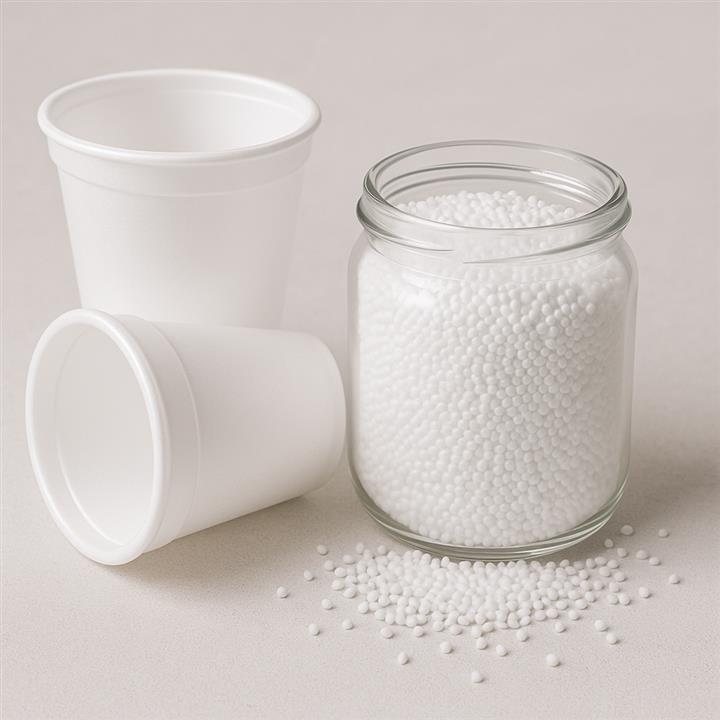
The most common type of styrene, produced by polymerization of pure styrene monomer. Polystyrene is lightweight, transparent and easily moldable. This material is widely used in producing disposable containers, insulation foam, food packaging and household appliance parts.
This type of styrene has high strength and flexibility. This material is very resistant to impact and has a glossy surface. It is used for car bodies, computer parts, household appliances and durable toys.
A type of synthetic rubber made from combining styrene and butadiene. SBR has high elasticity and excellent wear resistance and is used in producing car tires, soles, belts and industrial parts.
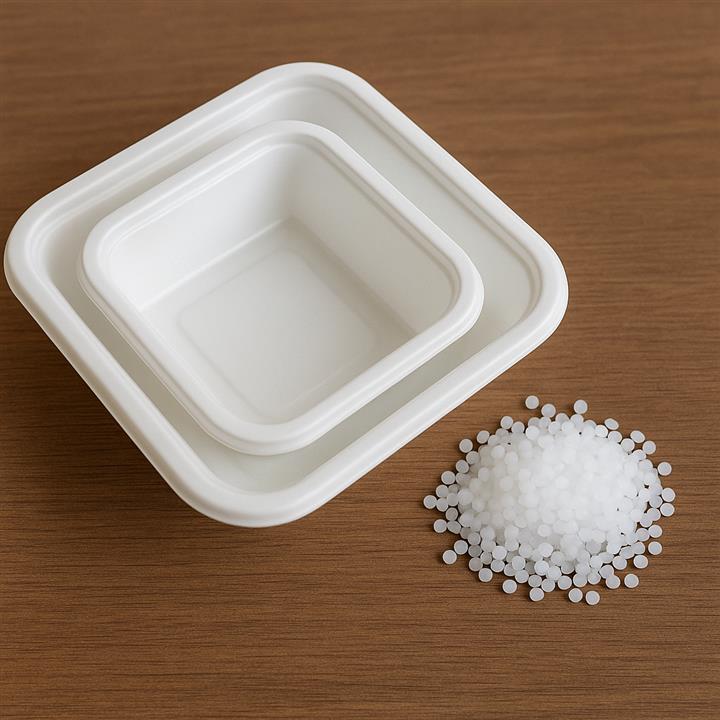
This copolymer is made from combining styrene and acrylonitrile and has a transparent and resistant appearance. SAN is stable against heat and chemicals and is used in making heat-resistant containers, laboratory equipment and transparent parts of household appliances.
Due to its suitable mechanical properties and high processability, styrene is one of the most widely used materials in modern industries. Below are the complete advantages of this polymer:
In addition to the advantages, styrene has limitations that must be considered in industrial production and use. The most important disadvantages include:
Styrene, due to its lightness, strength and high moldability, has widespread applications in various industries from packaging to automotive and construction.
Polystyrene made from styrene is used to produce disposable containers, packaging foams and polystyrene. Features like transparency, lightness and moisture resistance make it ideal for packaging.
In compounds like ABS and SBR, styrene is used in car bumpers, dashboards and tires. Lightness and impact resistance are the main reasons for its application.
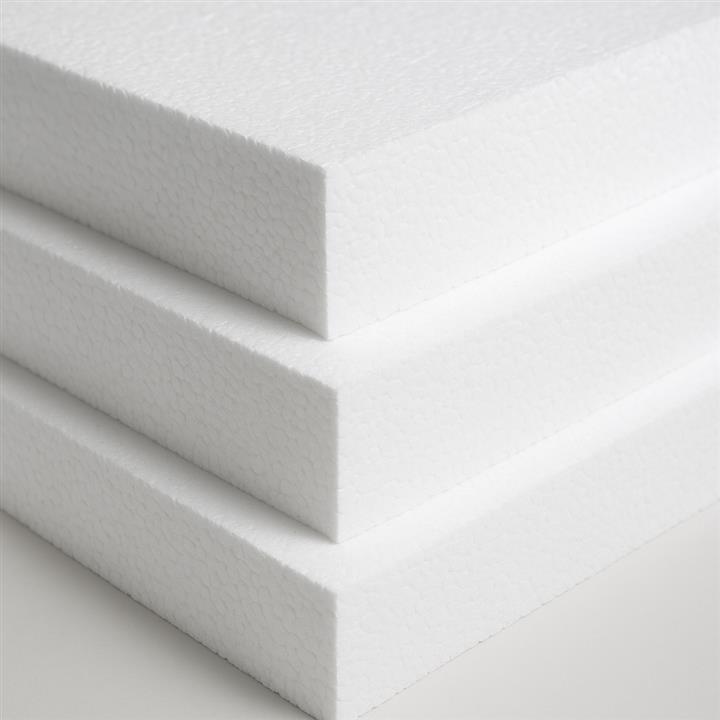
Styrene foams are used for thermal and sound insulation. These foams are lightweight, resistant and widely used for building walls and ceilings.
Styrene is used in producing TV bodies, refrigerators, electrical switches and hair dryers. These materials are glossy, lightweight and durable.
SBR (Styrene Butadiene Rubber) is used to produce car tires, soles and conveyor belts. This material has high durability against wear and pressure.
In special grades, it is used to produce laboratory containers, syringes and sample collection tubes, as it is lightweight and non-toxic.
The answer is simple: because styrene is one of the most flexible and widely used base materials in plastic production. Styrene can be combined with other materials to create various types of plastics—from transparent and lightweight polystyrenes to strong and flexible rubbers.
You might ask what makes it different from other materials? The answer lies in its properties: affordable price, high moldability, glossy surface and easy molding. Styrene allows manufacturers to create products with beautiful appearance, light weight and suitable strength—exactly the combination that industry needs.
Please enter your information so we can contact you as soon as possible




نظرات